

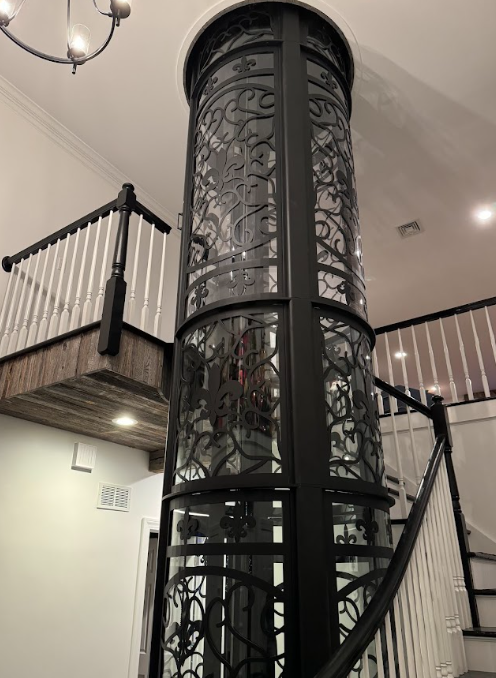
If stairs are becoming difficult to navigate, you have several options for making your Massachusetts home safer and more accessible. Stair lifts, wheelchair lifts, and home elevators can all help, but the right choice depends on your mobility needs, home layout, available space, and long-term plans.
At Nationwide Lifts of Massachusetts, we help homeowners understand their options and find an accessibility solution that fits both their home and lifestyle. Here’s what to consider when comparing a stair lift, wheelchair lift, and home elevator.
When Is a Stair Lift the Right Choice?
A stair lift is often a practical solution for someone who can walk independently or with assistance but has difficulty safely climbing stairs. The lift uses a motorized chair that travels along a rail installed alongside the staircase.
Stair lifts can work well when you want to improve access between floors without making major structural changes to your home. Options are available for straight and curved staircases, so the best configuration depends on your existing stairs.
However, because the user needs to transfer into the seat, a stair lift may not be the ideal choice for someone who needs to remain in a wheelchair.
When Should I Consider a Wheelchair Lift?
A wheelchair lift, also called a vertical platform lift, allows a person to travel between different levels while remaining in a wheelchair or mobility device. These lifts can be particularly useful for overcoming steps at an entrance, accessing a porch or deck, or traveling between certain levels of a home.
For Massachusetts homeowners who need wheelchair accessibility, a platform lift can provide a more direct solution than a stair lift. The amount of space available, required travel distance, and installation location will help determine whether a wheelchair lift is appropriate.
Is a Home Elevator Worth Considering?
A home elevator offers convenient travel between multiple floors and can accommodate a wider range of mobility needs. Depending on the model and configuration, it may provide room for passengers, mobility devices, or everyday items.
Residential elevators can be especially appealing to homeowners planning to age in place. They may also make sense during new construction or a major renovation, when the elevator can be incorporated into the home’s design.
Installing a home elevator is typically a larger project than adding a stair or wheelchair lift, so available space, construction requirements, budget, and local codes all need to be considered.
Which Accessibility Solution Is Best for Your Massachusetts Home?
There isn’t one solution that’s right for every household. A stair lift may be sufficient when stairs are the primary challenge. A wheelchair lift may make more sense when someone needs to stay in their mobility device. For convenient access to multiple floors and longer-term flexibility, a home elevator may be the better fit.
Nationwide Lifts of Massachusetts can help you compare stair lifts, wheelchair lifts, and home elevators in Massachusetts based on your home’s layout and accessibility goals. Contact our team to discuss your needs and explore the residential mobility solution that works best for your home.